





Why Fast Fashion Is Not Sustainable: The Real Cost
Last Updated: October 23, 2026
Quick Summary
Fast fashion is not sustainable because its business model only works when clothes are bought often and discarded quickly, driving overproduction, resource-intensive fiber production, polluting manufacturing, and rapid disposal. Cheap garments are engineered for a handful of wears, so production impacts spread over very few wears. Fixing one stage while volume keeps rising does not solve the system.
- Overproduction is the engine of fast fashion, not a side effect of it.
- For many garments the use phase is the sleeper impact, so wash less, cold, and air-dry.
- Donating clothes is not recycling; a large share of donated garments get exported or incinerated.
- Extending a garment's life is the single highest-impact action for most people.
- Ultra-fast fashion compresses trend cycles into days, adding velocity to fast fashion's volume problem.
Table of Contents
- The Fast Fashion Business Model: Built on Volume, Not Value
- The Fast Fashion Environmental Impact: A Lifecycle View
- Fast Fashion Waste: Landfills, Incineration, and the Myth of Recycling
- Synthetic Fibers, Microplastics, and the Hidden Pollution Problem
- Short Garment Lifespans: The Durability Deficit
- Ultra-Fast Fashion vs. Fast Fashion: An Escalating Crisis
- Sustainable Fashion Alternatives: What Actually Works
- How to Build a Sustainable Wardrobe: A Practical Framework
- Frequently Asked Questions
The Fast Fashion Business Model: Built on Volume, Not Value
The reason fast fashion is not sustainable comes down to a single design decision: the business model only works if clothes are bought often and discarded quickly.
From Runway to Rack in Weeks
Traditional apparel calendars moved in seasons. Fast fashion compressed that to weeks, with new drops landing continuously. The Federal Trade Commission's guidance on textile labeling matters here because faster cycles mean more garments, more labels, and more resources consumed per shopper each year.
The Economics of Overproduction
Overproduction is not a side effect of fast fashion; it is the engine. Brands produce in large volumes to hit low unit costs, then mark down what doesn't sell. A common mistake shoppers make is assuming a low price reflects efficiency. In practice, it reflects volume, and volume is exactly what the planet cannot absorb.
The Fast Fashion Environmental Impact: A Lifecycle View
The fast fashion environmental impact is best understood across a garment's whole lifecycle: raw material extraction, textile production, dyeing and finishing, shipping, wearing, and disposal. Each stage carries a cost, and the cheapest garments tend to cut corners at several of them at once.
Where the Impacts Actually Arise
Impacts are not evenly distributed. For a cotton t-shirt, fiber production and dyeing tend to dominate water use and chemical load, while consumer use, washing, drying, ironing, can dominate energy use over the garment's life.
A common mistake is treating "sustainable fabric" as a single answer. Organic cotton reduces pesticide use but still requires water. Recycled polyester reduces virgin plastic demand but still sheds microfibers and is rarely closed-loop. Neither solves overproduction.
Carbon Emissions and Energy Use
Clothing production depends heavily on fossil fuels, from synthetic fiber manufacturing to global shipping. Greenhouse gas emissions accumulate at every handoff in the supply chain: petroleum-based fiber spinning, coal- or gas-fired textile mills, long-distance freight, and the energy used to wash and dry clothes at home.
Metric context matters. Widely repeated claims that fashion accounts for a large share of global emissions usually trace to industry-commissioned estimates with different boundaries, some count only production, others include retail and use.
Water Consumption and Pollution
Cotton farming is water-intensive, and dyeing and finishing generate wastewater laced with chemicals. Water pollution from textile production affects communities near factories, often in developing countries where environmental oversight is weaker.
Again, context: water footprints vary enormously by region and irrigation method, so a global average can overstate or understate a specific garment's impact. The mechanism, intensive irrigation plus untreated effluent, matters more than any single number.
Transport and the Use Phase
Shipping garments across oceans adds emissions, but for many garments the use phase is the sleeper impact. Frequent hot washing and machine drying shorten garment life and consume energy. Washing less, in cold water, and air-drying are low-cost changes that reduce both emissions and fiber shedding.
Why the Lifecycle View Changes the Answer
The lifecycle view shows that "why fast fashion is not sustainable" is not one problem but a stack of them: resource-intensive fiber, polluting production, long-distance transport, energy-heavy use, and rapid disposal. Fixing one stage while volume keeps rising does not solve the system. The highest-leverage changes are the ones that reduce total production and extend how long each garment is worn.
Fast Fashion Waste: Landfills, Incineration, and the Myth of Recycling
Fast fashion waste ends up in landfills or incinerators far more often than in recycling streams. Discarded clothing piles up globally, and the short garment lifespan built into the model accelerates the flow. Many shoppers believe donating a garment guarantees it gets reused. Often it gets exported, downcycled, or burned.
Why Textile Recycling Is So Difficult at Scale
Textile recycling struggles because most clothing blends fibers, and mixed materials are hard to separate economically. Zippers, elastane, and blended polyester-cotton fabrics complicate mechanical recycling. The Environmental Protection Agency's textile waste figures illustrate how little textile waste actually gets recycled compared with what is generated.
Synthetic Fibers, Microplastics, and the Hidden Pollution Problem
Synthetic fibers such as polyester are plastic fabrics, and every wash sheds microplastics into waterways. Microplastic pollution from clothing is one of the least visible harms of the fashion industry. It happens in your own washing machine, not just at a distant factory.
Durability matters here too. Cheap synthetics pill and thin out quickly, which pushes replacement and compounds the problem. A common mistake is assuming "recycled polyester" solves this. It reduces virgin material use but still sheds microfibers.
Short Garment Lifespans: The Durability Deficit
Short garment lifespans are a feature, not a bug, of fast fashion. Low-cost clothing is often engineered for a handful of wears before seams split, colors fade, or shapes lose structure.
Cost-per-wear exposes the math. A garment worn twice costs more per wear than a well-made piece worn for years. The Consumer Product Safety Commission's textile flammability standards show that clothing regulation focuses on safety, not longevity, which leaves durability largely to the buyer's judgment.
Problem |
What It Looks Like |
Practical Fix |
|---|---|---|
Overproduction |
Endless drops, deep markdowns |
Buy only what you'll wear repeatedly |
Synthetic shedding |
Microplastics in every wash |
Wash less, use a filter bag |
Short lifespan |
Seams fail within months |
Check construction before buying |
Recycling limits |
Blended fabrics can't be separated |
Choose single-fiber or durable blends |
Ultra-Fast Fashion vs. Fast Fashion: An Escalating Crisis
Ultra-fast fashion is the next tier: thousands of new styles daily, micro-batch production, and social-media-driven rapid trend cycles. Where fast fashion compressed seasons into weeks, ultra-fast fashion compresses them into days. The result is more overconsumption, more textile waste, and thinner margins for workers.
This distinction matters because the two models fail differently. Fast fashion's damage is volume; ultra-fast fashion's damage is velocity. Both erode durability and both rely on low wages and poor working conditions in developing countries.
Sustainable Fashion Alternatives: What Actually Works
Sustainable fashion alternatives work when they reduce total production and extend garment life, not when they simply relabel the same volume. Most guides list options without ranking them. This one ranks actions by impact and explains the trade-offs, which is the angle competitors miss.
Ranked by Impact: What Actually Moves the Needle
- Wear what you already own, longer. Extending a garment's life spreads its production impacts over more wears and is the single highest-impact action for most people. The mechanism is simple: fewer replacements mean less new production.
- Buy fewer new items. Reducing purchases cuts demand at the source. This beats any fabric swap because it avoids the impact entirely rather than shifting it.
- Repair and alter. Fixing seams, replacing buttons, and tailoring extends life at low cost. The trade-off is time and access to a repair service.
- Buy secondhand or resale first. Reuse keeps clothing in circulation and out of landfill. The trade-off is selection, sizing, and shipping emissions from online resale.
- Choose durable, versatile pieces when buying new. Construction, seams, fabric weight, finish, predicts lifespan better than a "green" label. The trade-off is higher upfront cost, offset by lower cost-per-wear.
- Wash less, cold, and air-dry. This reduces use-phase energy and microfiber shedding. The trade-off is convenience.
Secondhand and Resale
Secondhand clothing and resale extend garment lifecycle and keep clothing out of landfill. The circular economy depends on reuse first, recycling second. Buying secondhand is one of the highest-impact moves a shopper can make, but only if it replaces a new purchase rather than adding to the closet.
Investment Pieces and Cost-per-Wear
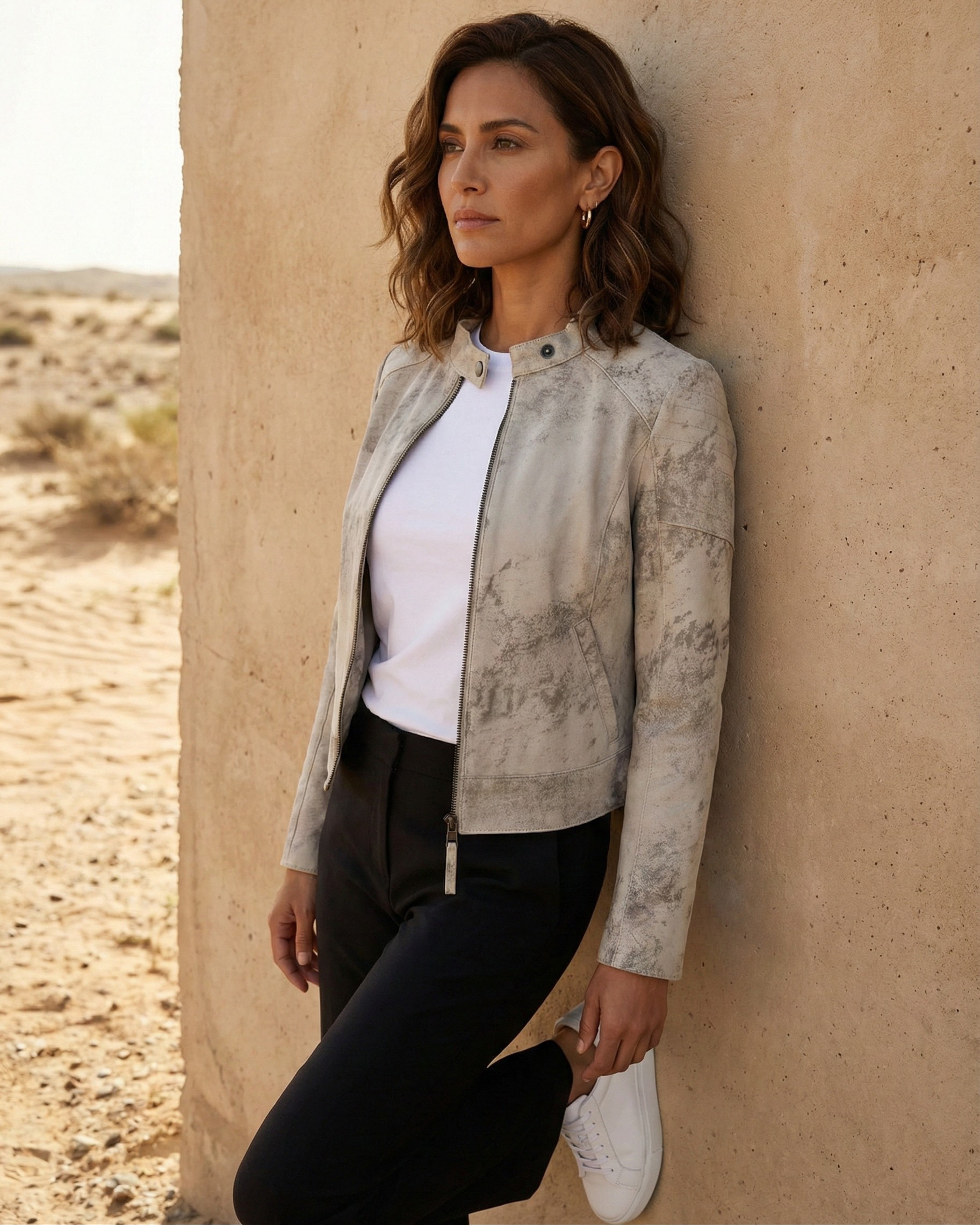
Investment pieces win on cost-per-wear. A well-constructed garment worn for years beats a cheap one replaced every season. This is the principle behind Marrakech Clothing's approach: versatile cargo pants, utility jackets, and coordinated sets with enduring craftsmanship, designed to last years, not seasons.
The Trade-offs Nobody Mentions
No alternative is impact-free. Organic cotton still uses water. Recycled polyester still sheds microfibers. Secondhand shipping has emissions. The honest framing is comparative: the best option is the one that reduces total new production and maximizes wears per garment, not the one with the best marketing claim.
How to Build a Sustainable Wardrobe: A Practical Framework
Building a sustainable wardrobe starts with buying less and choosing better. Use this checklist:
- Audit what you own and track what you actually wear
- Choose versatile pieces that work across office and evening
- Check construction: seams, fabric weight, and finish
- Favor single-fiber or durable fabrics over flimsy blends
- Wash less often and air-dry to extend lifespan
- Buy secondhand or resale where it fits
- Calculate cost-per-wear before any purchase
Frequently Asked Questions
What is the biggest problem with fast fashion?
The core problem is overproduction: the industry makes far more clothing than people need, at prices that encourage rapid disposal. This drives excessive resource use, textile waste, and short garment lifespans. A garment worn only a few times before being discarded represents a waste of water, energy, and materials at every stage of its lifecycle. The sheer volume makes efficiency improvements ineffective.
How does fast fashion harm the environment?
Fast fashion harms the environment at every stage. Cotton farming consumes large amounts of water and pesticides. Dyeing and finishing pollute waterways. Synthetic fabrics like polyester shed microplastics during washing. Discarded clothing piles up in landfills or gets incinerated. The fast fashion environmental impact also includes greenhouse gas emissions from production and transport, making it a significant contributor to climate change.
What are the most sustainable alternatives to fast fashion?
The most sustainable fashion alternatives focus on extending garment life. Buying secondhand or resale clothing avoids new production entirely. Choosing durable, well-made pieces from brands that prioritize craftsmanship reduces how often you replace items. Renting for occasional wear and repairing existing clothes also help. When buying new, look for natural fibers and transparent supply chains. Building a smaller wardrobe of versatile pieces is more effective than swapping fast fashion for 'green' fast fashion.
How can I make my wardrobe more sustainable?
Start by wearing what you already own and repairing items instead of replacing them. When you do buy, choose durable fabrics and classic styles that work across seasons. Track cost-per-wear: a higher-priced piece worn 100 times costs less per wear than a cheap item worn five times. Shop secondhand first, and when buying new, support brands with clear sustainability commitments and transparent supply chains. Building a sustainable wardrobe is a gradual process, not a one-time overhaul.
Fast fashion's core problem is structural: it only works if you keep buying and discarding. Building a wardrobe that lasts is the real alternative.
At Marrakech Clothing, we design globally inspired pieces with innovative fabric treatments and signature washes, made to move with you and last for years. Explore our web-only exclusives and shop new arrivals built for the long run.




Leave a comment
This site is protected by hCaptcha and the hCaptcha Privacy Policy and Terms of Service apply.