





How to Care for Signature Wash Fabrics at Home
Last Updated: November 14, 2026
Quick Summary
Care for signature wash fabrics with cold water, a pH-neutral bleach-free detergent at about half the usual amount, and the lowest agitation your machine offers. Skip fabric softener entirely and air dry pieces away from direct sun and heat. Never wring a wet signature wash piece, since twisting stretches the weave.
- Read the care label first: a washtub number is your max wash temperature.
- Place each piece in a mesh laundry bag and choose the delicate cycle with cold water.
- Fabric softener coats fibers with a waxy film that traps odor and cuts absorbency.
- Lay knits flat to dry and hang wovens on padded hangers with space for airflow.
- Blot fresh stains with a clean white cloth, working from the outside in, never rub.
Table of Contents
- What Makes Signature Wash Fabrics Different
- Reading Fabric Care Symbols Before You Wash
- How to Wash Delicate Fabrics Without Damage
- The Best Laundry Detergent for Soft Fabrics
- How to Air Dry Clothes Properly
- Treating Stains and Protecting Ink Signatures
- Storing Signed and Specialty Wash Pieces
- Shop Signature Wash Styles Built to Last
- Frequently Asked Questions
What Makes Signature Wash Fabrics Different
A signature wash is a finishing treatment that softens fabric and gives it a lived-in feel before it ever reaches your closet. Signature wash pieces arrive feeling soft from the start, and the right care helps keep them that way. For broader guidance, see our guide on how to maintain fabric quality for longer-lasting clothes.
Here's the core tension: treated fabrics feel softer, but they're also less forgiving. The wash process relaxes fibers. That means heat, harsh detergent, and rough agitation can undo the work faster than they would on untreated cotton.
So how do you care for signature wash fabrics without stripping what makes them special? The rules below are simple. They're just not optional.
- Wash cool, never hot
- Skip fabric softener entirely
- Air dry when you can
- Keep agitation low
Reading Fabric Care Symbols Before You Wash
The care label is the first thing to check, and most people ignore it. Those five little symbols tell you the wash temperature, bleach rules, drying method, iron setting, and whether dry cleaning is required.
Read them left to right. A washtub with a number means that's your max wash temperature. A tub with a hand inside means hand wash only. A triangle with an X means no bleach. A square with a circle means tumble dry is allowed, and a circle alone sets the iron temperature.
One mistake we see often: people assume "delicate" means "hand wash only." It doesn't. A gentle cycle in a mesh laundry bag protects most signature wash pieces just fine.
How to Wash Delicate Fabrics Without Damage
The short answer: use cold water, a gentle detergent, and the lowest agitation your machine offers. Here's how to wash delicate fabrics step by step.
- Turn garments inside out and close all zippers and buttons.
- Place each piece in a mesh laundry bag.
- Choose the delicate cycle with cold water.
- Add a pH-neutral, bleach-free detergent, about half the usual amount.
- Skip the spin cycle or set it to low.
- Remove pieces immediately when the cycle ends.
Why half the detergent? Surfactants lift soil, but excess detergent leaves residue that stiffens soft fibers. Less really is more here.
Watch out: never wring a wet signature wash piece. Twisting stretches the weave and sets wrinkles that are hard to press out later.
Hand Washing vs. Machine Washing
Hand washing gives you the most control and suits pieces with delicate trim or loose weave. Fill a basin with cool water, add a capful of gentle detergent, and soak for five to ten minutes. Press the water through the fabric, don't scrub. Rinse until the water runs clear.
Machine washing works for most signature wash staples, provided you use the delicate cycle and a mesh bag. If a piece has embroidery or an ink signature, hand wash it. There's no machine setting gentle enough for that.
The Best Laundry Detergent for Soft Fabrics
The best laundry detergent for soft fabrics is a pH-neutral, enzyme-based formula with no bleach and no optical brighteners.
Look for "free and clear" or "gentle" on the label. Avoid anything marketed as heavy-duty or stain-fighting for everyday washes; save those for the occasional tough spill.
Fabric softener is the one product to leave on the shelf. It coats fibers with a waxy film. That film feels soft at first, then traps odor and cuts absorbency. A signature wash already delivers softness, so softener only works against it.
How to Air Dry Clothes Properly
Air drying is the single best habit for keeping signature wash fabrics soft and true to size. High heat is what causes shrinkage and color bleeding, and the dryer is where most of that heat comes from.
Here's how to air dry clothes properly: reshape each piece while damp, then dry it away from direct sun and heat. Sun fades color. Radiators and vents can bake fibers stiff.
- Lay knits flat so they don't stretch
- Hang woven pieces on padded hangers
- Leave space between garments for airflow
- Flip heavier items once halfway through
Flat Dry, Drip Dry, or Tumble Dry
Flat dry suits knits, which stretch when hung wet. Drip dry works for sturdy woven pieces that can hang without losing shape. Tumble dry is fine only on the lowest heat setting, and only for pieces the care label allows.
| Method | Best For | Watch Out For |
|---|---|---|
| Flat dry | Knits, loose weaves | Slow drying time |
| Drip dry | Wovens, structured pieces | Stretching on the hanger |
| Tumble dry, low | Sturdy everyday pieces | Shrinkage if heat is too high |
Treating Stains and Protecting Ink Signatures
Blot, don't rub. That's the whole rule for fresh stains. Press a clean white cloth into the spill to lift it, working from the outside in so you don't spread the mark. Replace the cloth as it absorbs so you're always pressing with a clean surface.
For most stains on unsigned signature wash pieces, a pH-neutral detergent and cool water handle the job. Enzyme-based cleaners break down food and protein stains well. Skip bleach and hot water, both of which set stains and damage the wash finish.
Signed pieces need more care than unsigned ones, so handle the ink gently and avoid soaking it.
Step-by-step protocol for a soiled signed piece:
- Test first. Find an inconspicuous spot, inside a hem, under a collar, and dab a drop of your chosen detergent mixed with cool water. Wait ten minutes, blot dry, and check for color lift or ring formation before touching the visible area.
- Work dry-first. Brush off loose dirt with a soft brush before introducing any moisture.
- Isolate the ink. Place a folded white towel under the soiled area and, if the signature is nearby, cover it with a dry cloth held flat so water cannot creep toward it.
- Dab, don't flood. Apply the detergent solution with a cloth or cotton swab, one small area at a time, and blot immediately. Never pour or spray.
- Rinse by blotting with a clean cloth dampened with plain cool water, then blot dry.
- Air dry flat and inspect under good light before storing.
Emergency first aid for accidental spills on signed items:
- Liquid spill: blot immediately with a dry white cloth, working outward. Do not rub. If the spill reaches the signature, stop and blot only, do not add water.
- Ink transfer or smudge: do not touch it while wet. Let it dry completely, then take the piece to a textile conservator rather than attempting home removal.
- Water ring around a signature: this means water carried ink outward. Blot the ring edge with a dry cloth and stop; further wetting spreads the halo.
Storing Signed and Specialty Wash Pieces
Store signature wash pieces clean, dry, and folded flat. Hanging heavy knits can stretch the shoulders, and damp storage invites mildew.
Everyday storage for unsigned signature wash pieces:
- Fold knits and stack them loosely so fibers aren't compressed
- Hang wovens on padded hangers to support the shoulder line
- Keep pieces out of direct sunlight
- Use breathable cotton storage bags, not plastic, plastic traps moisture and off-gassing
Archival storage for signed fabrics:
The goal is a stable micro-environment. Textile preservation comes down to three variables: temperature, relative humidity, and light exposure.
- Temperature and humidity. Aim for a stable, cool space with low relative humidity, a interior closet shelf is far better than an attic, basement, or garage, which swing wildly in both. Avoid storing against exterior walls, where condensation forms.
- Acid-free materials. Fold the piece with acid-free tissue paper buffering the folds, and place it in an acid-free textile box. Ordinary cardboard and newsprint are acidic and will yellow and embrittle fabric over time. Don't stack anything on top of the box.
- UV protection. Keep the box out of sunlight and away from fluorescent fixtures. If you display a signed piece, frame it behind UV-filtering glazing and keep it off walls that receive direct sun.
- Fold management. Never store a signed piece on a wire or narrow hanger, and never fold directly through the signature. Pad the fold lines with tissue and refold along different lines periodically so creases don't set into the ink.
- Handling. Wash and dry your hands before handling, or wear clean cotton gloves. Oils from skin transfer to fabric and attract soil.
What to avoid:
- Plastic bins and garment bags, which trap moisture
- Cedar chests and mothball-heavy storage, whose vapors can affect inks and dyes
- Vacuum-sealed bags, which crush pile and trap residual moisture
- Attics, basements, and garages
For pieces with significant value, check the storage every few months for pests, discoloration, or new creases, and refold as needed. Stable, dark, dry, and acid-free is the whole formula.
Shop Signature Wash Styles Built to Last
Caring for these fabrics is simple once you know the rules: cool water, gentle detergent, low agitation, air dry. Do that, and a signature wash piece stays soft and true for years.
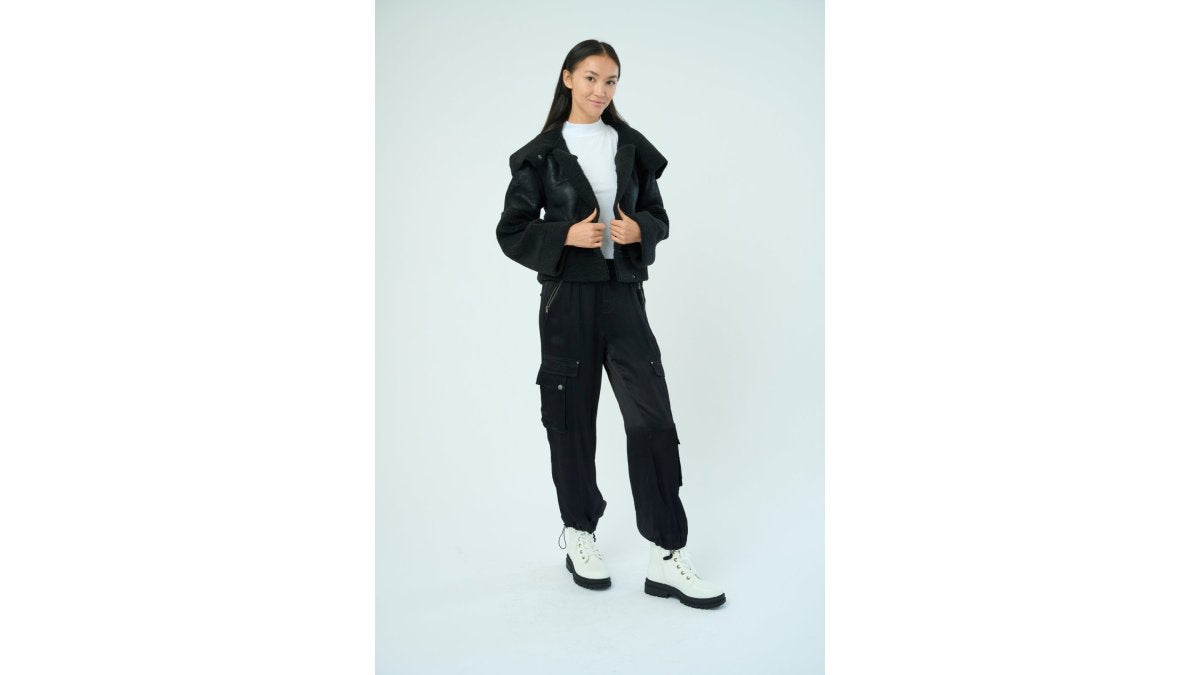
Marrakech Clothing offers signature wash pieces, including cargo pants, utility jackets, and coordinated sets, designed to move with you. Before you buy, check the size guide to confirm which size will fit you properly.
Ready to build a wardrobe that earns its keep? Browse the collection on our website for current details.
The real test of a wardrobe staple isn't how it looks on day one. It's how it looks after a hundred washes. Marrakech Clothing builds signature wash pieces with innovative fabric treatments and enduring craftsmanship, designed in NYC and made to move with you from office to evening. Shop the collection and find your next favorite.
Frequently Asked Questions
Can signature wash fabrics be machine washed?
Most signature wash pieces can go in a machine on a delicate cycle, but check the care label first. Use cold water, a gentle detergent, and a mesh laundry bag to reduce agitation. Skip the spin cycle's highest setting and never wring the fabric. If the label says dry clean only, follow it. Hand washing is the safer choice for structured utility jackets, heavily washed cottons, and any piece with a printed or signed detail.
What is the best laundry detergent for soft fabrics?
Choose a pH-neutral, bleach-free, enzyme-based detergent labeled for delicates. Liquid formulas dissolve better in cold water than powder, which can leave residue on soft weaves. Avoid detergents with optical brighteners or added fabric softener, since these coat fibers and dull the washed finish over time. Use about half the recommended dose for hand washing, and skip fabric softener entirely on signature wash pieces.
How do I prevent fading in specialty wash garments?
Wash in cold water, turn the garment inside out, and keep it out of direct sun while drying. Hot water and high-heat tumble drying break down dyes faster than anything else. Wash dark and light signature wash pieces separately to stop color bleeding, and use a color-catching sheet if you are unsure about colorfastness. Air drying in the shade preserves the depth of the wash far better than a dryer.
How do I wash autographed or signed clothing?
Spot clean first and avoid full immersion if you can. Permanent marker and fabric ink can soften or bleed when exposed to hot water, harsh surfactants, or prolonged soaking. If a full wash is unavoidable, use cold water, a pH-neutral detergent, and hand wash gently without rubbing the signature. Lay flat to dry, never tumble dry, and store the piece folded with acid-free tissue between layers to protect the ink.



Leave a comment
This site is protected by hCaptcha and the hCaptcha Privacy Policy and Terms of Service apply.